What Is Dyslexia?
Understanding the neurological difference that affects how millions of people read, write, and process language.
The Simple Definition
Dyslexia is a specific learning difference that primarily affects reading, writing, and spelling. It's neurological, meaning it's related to how the brain processes written language, and it has nothing to do with intelligence.
The Official Definition
"Dyslexia is a specific learning disability that is neurological in origin. It is characterized by difficulties with accurate and/or fluent word recognition and by poor spelling and decoding abilities. These difficulties typically result from a deficit in the phonological component of language that is often unexpected in relation to other cognitive abilities and the provision of effective classroom instruction. Secondary consequences may include problems in reading comprehension and reduced reading experience that can impede the growth of vocabulary and background knowledge."
Adopted by the International Dyslexia Association Board of Directors, November 2002. This definition is also used by the National Institute of Child Health and Human Development (NICHD).
How Dyslexia Works
When most people read, their brains automatically connect letters with sounds, blend those sounds into words, and extract meaning, all in milliseconds. For people with dyslexia, this process works differently.
The dyslexic brain has to work harder to decode written words because the pathways that connect visual symbols (letters) with sounds (phonemes) are organized differently. This isn't a defect, it's simply a different neurological wiring.
The Dyslexic Brain
Research shows that dyslexic brains often use different regions for reading than typical readers. This can make decoding slower, but it also enables different kinds of thinking.
A Different Advantage
The same brain differences that make reading challenging often enable enhanced abilities in areas like spatial reasoning, pattern recognition, and creative problem-solving.
What Dyslexia Is NOT
What Dyslexia IS
The Key Takeaway
Dyslexia is a difference, not a disability in the traditional sense. With the right instruction and support, dyslexic learners can become successful readers and go on to thrive in any field they choose.
In fact, the world is full of highly successful dyslexic entrepreneurs, scientists, artists, and leaders, people who learned to leverage their unique way of thinking.
Continue Learning
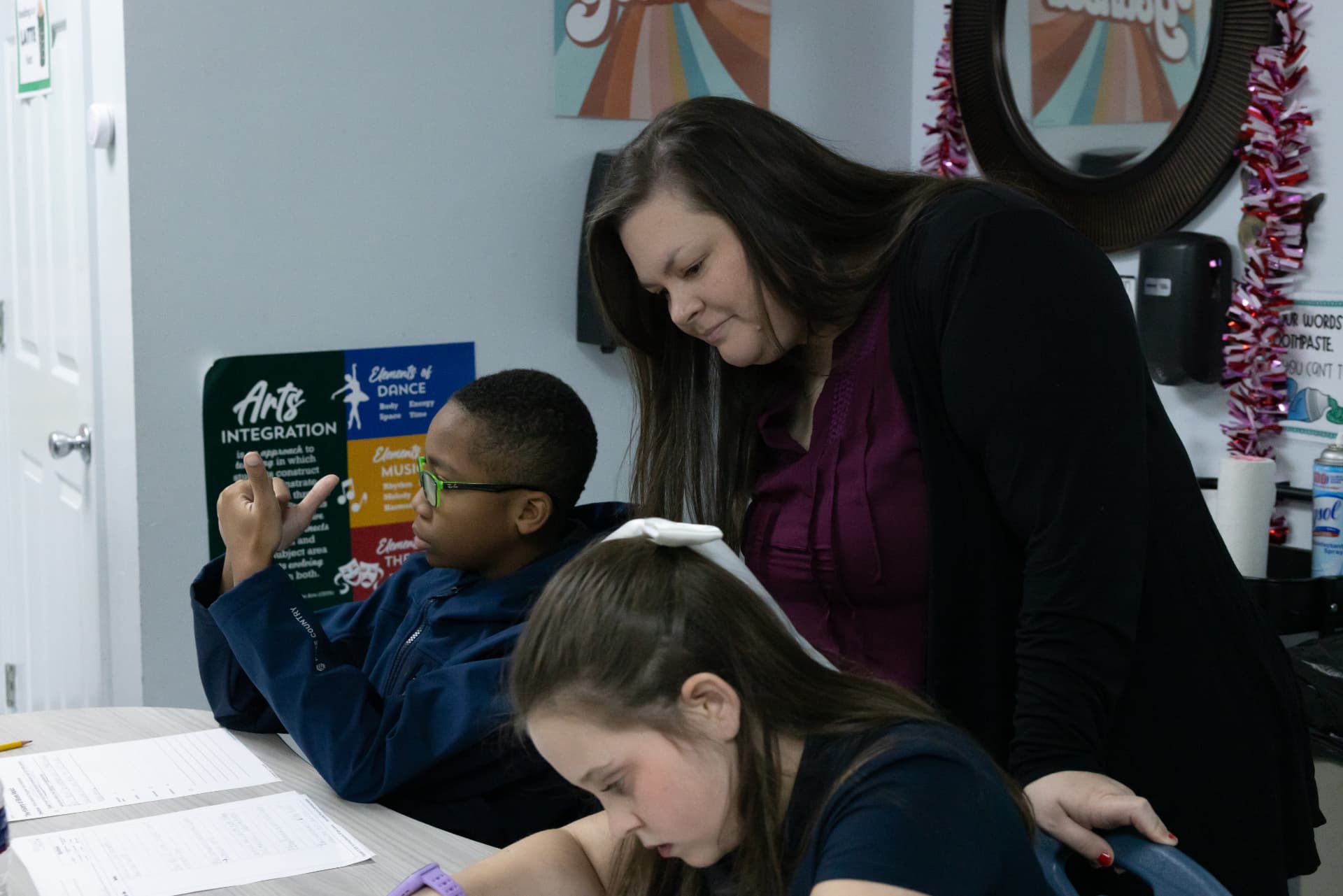
Dyslexia responds to the right instruction
Dyslexia is a difference in how the brain processes language, not a reflection of intelligence or effort. It does not resolve on its own, and it does not respond to simply reading more.
What works is explicit, systematic, multisensory teaching delivered by a trained therapist. That is the whole of what we do here.