Academics at Lighthouse
Evidence-based instruction, multisensory learning, and creative exploration, designed specifically for dyslexic minds.
Teaching the Way Dyslexic Minds Learn Best
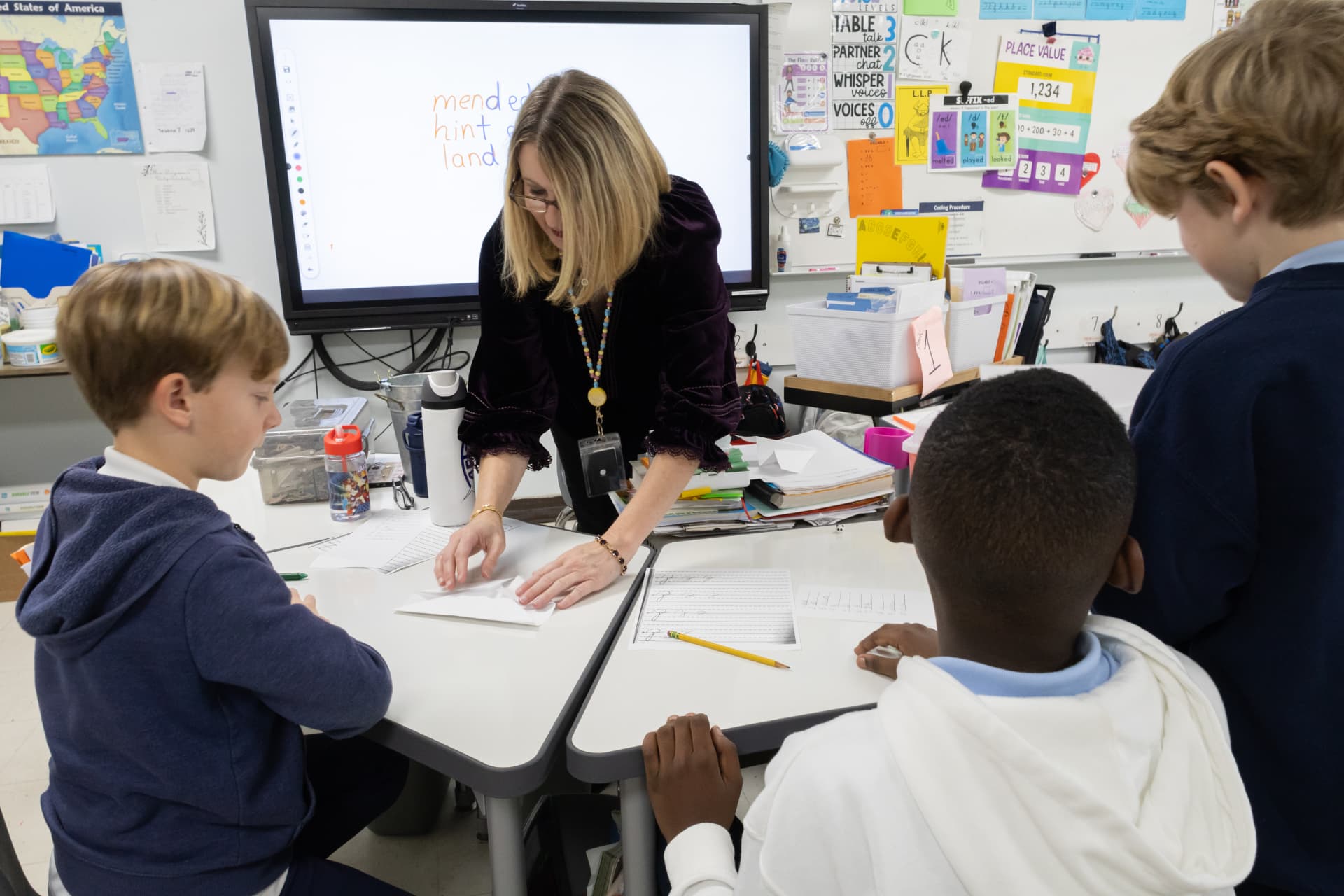
At Lighthouse Academy, we don't try to force dyslexic students into a traditional mold. Instead, we've built our entire program around what we know works: structured, explicit, multisensory instruction combined with creative expression and hands-on exploration.
Our approach is grounded in the science of reading, but it's delivered with joy, creativity, and respect for each student's unique strengths.
Our reading program remediates the specific disability of dyslexia using Orton-Gillingham based methodology, which provides multisensory, explicit, direct instruction of English phonology. Instruction follows the logical order of the English language, beginning with the most basic elements and progressing methodically to more difficult material, so students learn to think their way through language when they read, write, and spell.
The English language is 85% predictable when one knows the rules.
The Critical Components of Reading Instruction
Phonology and Phonological Awareness
Phonology is the study of sounds and how they work within their environment. A phoneme is the smallest unit of sound in a given language that can be recognized as being distinct from other sounds. An important aspect of phonological awareness is phonemic awareness, the ability to segment words into their components.
Sound-Symbol Association
This is the knowledge of the various sounds in the English language and their correspondence to the letters and combinations of letters that represent those sounds. Sound-symbol association is taught and mastered in two directions: visual to auditory and auditory to visual. Students learn to master the blending of sounds and letters into words as well as the segmenting of whole words into individual sounds.
Syllable Instruction
A syllable is a unit of oral and written language with one vowel sound. Instruction includes the teaching of the six syllable types in the English language: closed, vowel-consonant-e, open, consonant-le, r-controlled, and vowel digraph or diphthong. Syllable division rules are directly taught in relation to word structure.
Morphology
Morphology is the study of how morphemes are combined to form words. A morpheme is the smallest unit of meaning in language. The curriculum includes the study of base words, roots, prefixes, and suffixes.
Syntax
Syntax is the set of principles that dictate the sequence and function of words in a sentence in order to convey meaning. This includes grammar, sentence variation, and the mechanics of language.
Semantics
Semantics is the aspect of language concerned with meaning. The curriculum includes instruction in the comprehension of written language.
Handwriting
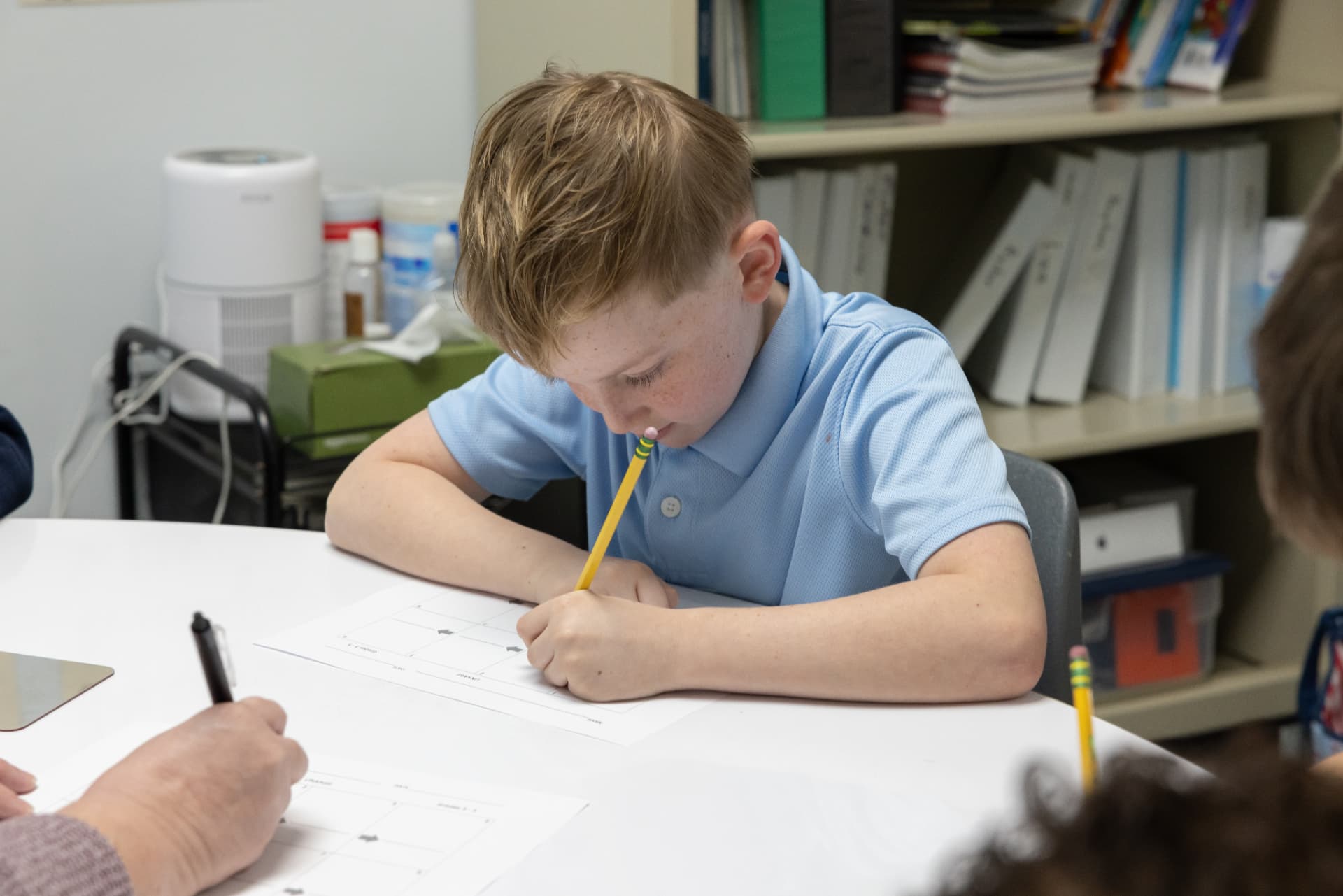
Students are specifically taught letter formation and letter connections, with emphasis placed on the automaticity of cursive letter formation. Cursive handwriting is emphasized because of its continuous, fluid motion.
The framework above is sourced from IMSLEC, the International Multisensory Structured Language Education Council. Learn more about IMSLEC.
How We Teach
Structured Literacy
The Science of Reading
Our curriculum is built on the Orton-Gillingham approach, the gold standard for dyslexia intervention. This explicit, systematic, multisensory method teaches the structure of language from the ground up.
What This Looks Like:
- Phonemic awareness and phonics instruction
- Morphology (prefixes, suffixes, roots)
- Syntax and grammar
- Semantics and vocabulary
- Text comprehension strategies
Multisensory Instruction
See It, Hear It, Touch It, Say It
Dyslexic brains learn best when multiple senses are engaged simultaneously. Every lesson incorporates visual, auditory, kinesthetic, and tactile elements.
What This Looks Like:
- Sand trays and textured letters for tactile learning
- Color-coding for visual distinction
- Rhythm and music for auditory patterns
- Movement and gestures for kinesthetic memory
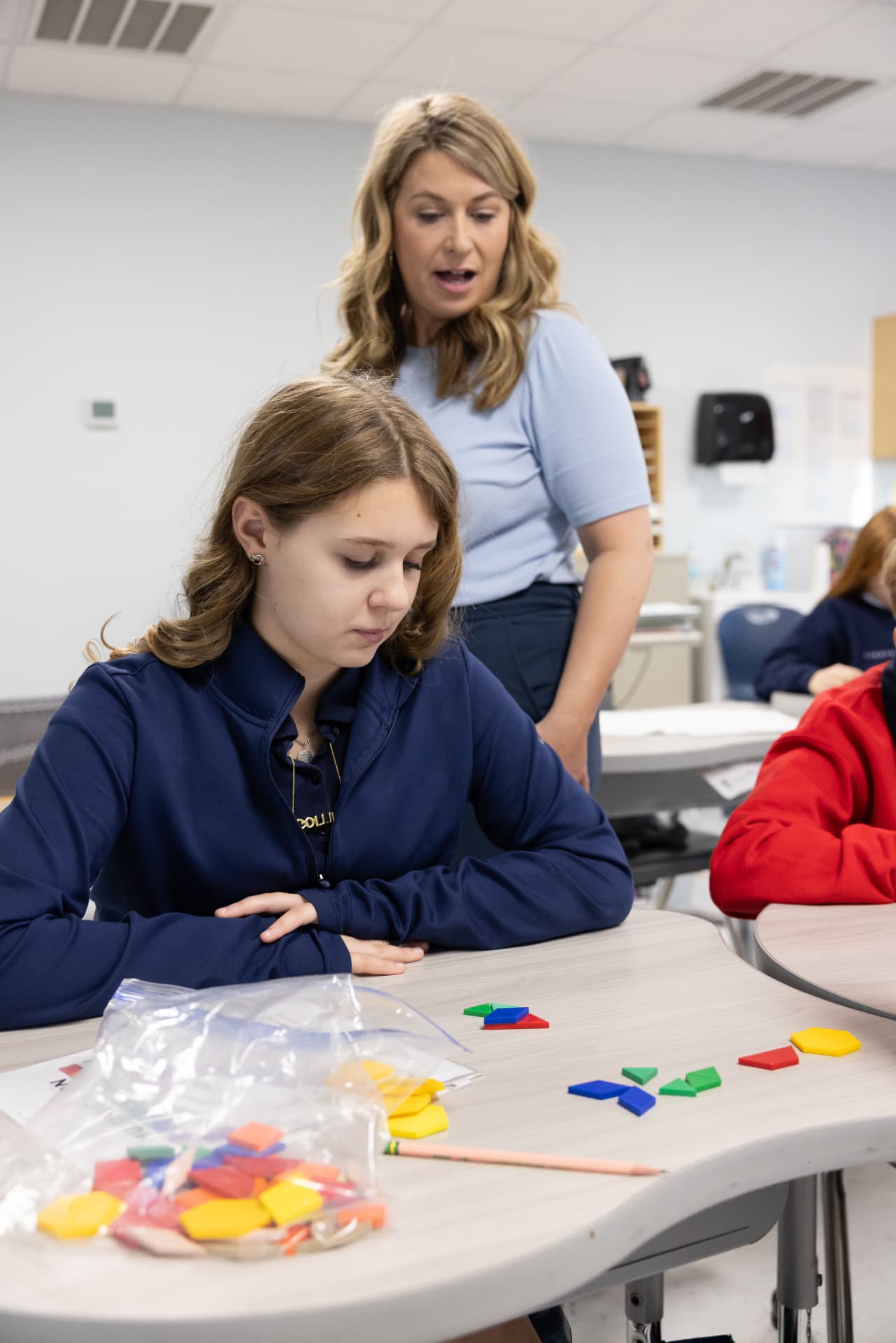
- Hands-on manipulatives for concrete understanding
Arts Integration
Mississippi Whole Schools Model
We integrate visual arts, music, drama, and dance across all subject areas. Arts aren't just enrichment, they're pathways to deeper understanding and self-expression.
What This Looks Like:
- Visual arts connected to writing and storytelling
- Music and rhythm to reinforce phonics patterns
- Drama for reading comprehension and fluency
- Dance and movement for math concepts
- Student art exhibitions celebrating learning
STEM & Maker Learning
Build, Create, Discover
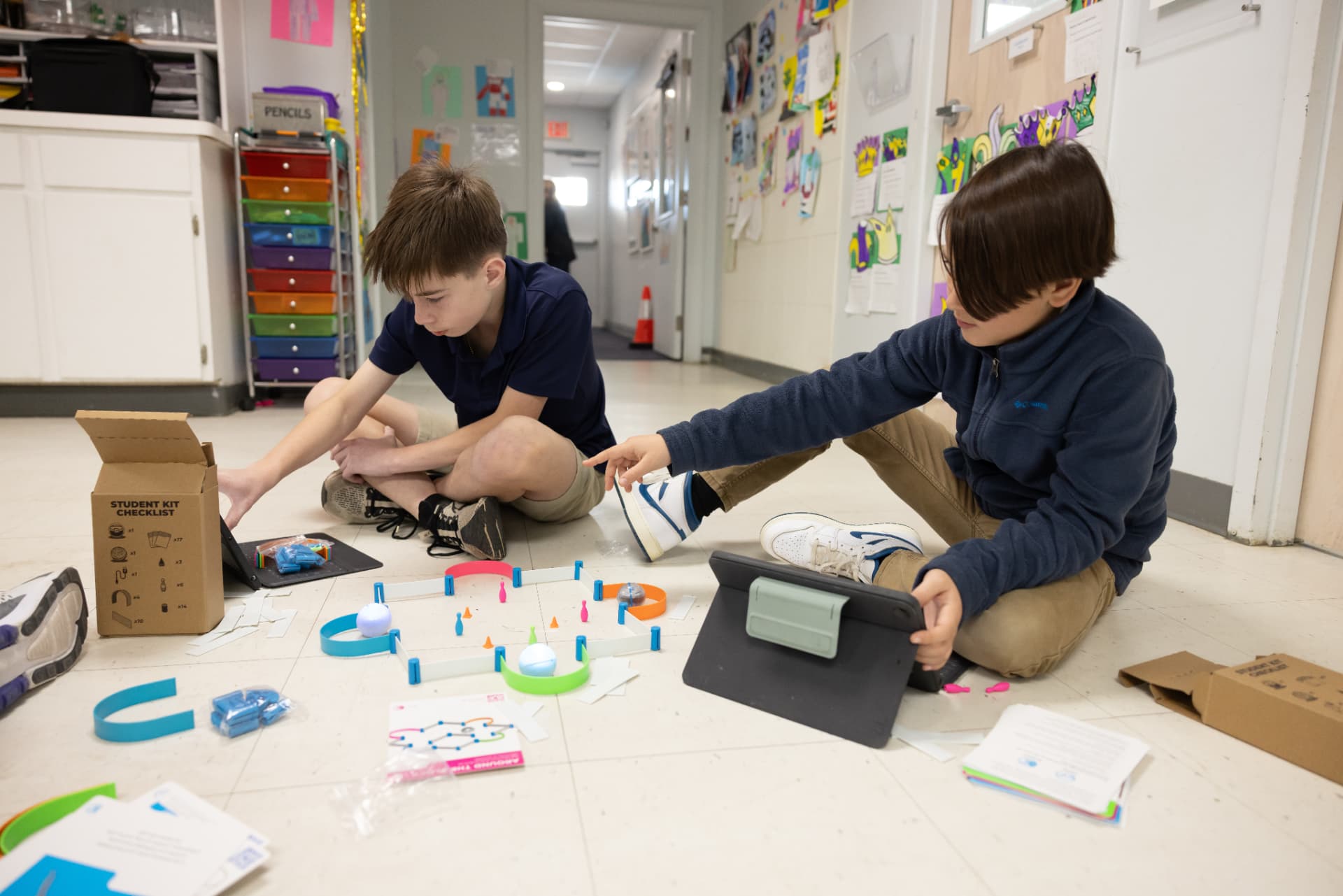
Our maker-based approach lets students construct their understanding through hands-on projects. Dyslexic minds often excel at spatial reasoning and creative problem-solving.
What This Looks Like:
- Engineering design challenges
- Coding and computational thinking
- Robotics and electronics projects
- Science experiments and inquiry labs
- Real-world problem-solving applications

The Training Arm of Lighthouse Academy
Train to Teach the Lighthouse Way
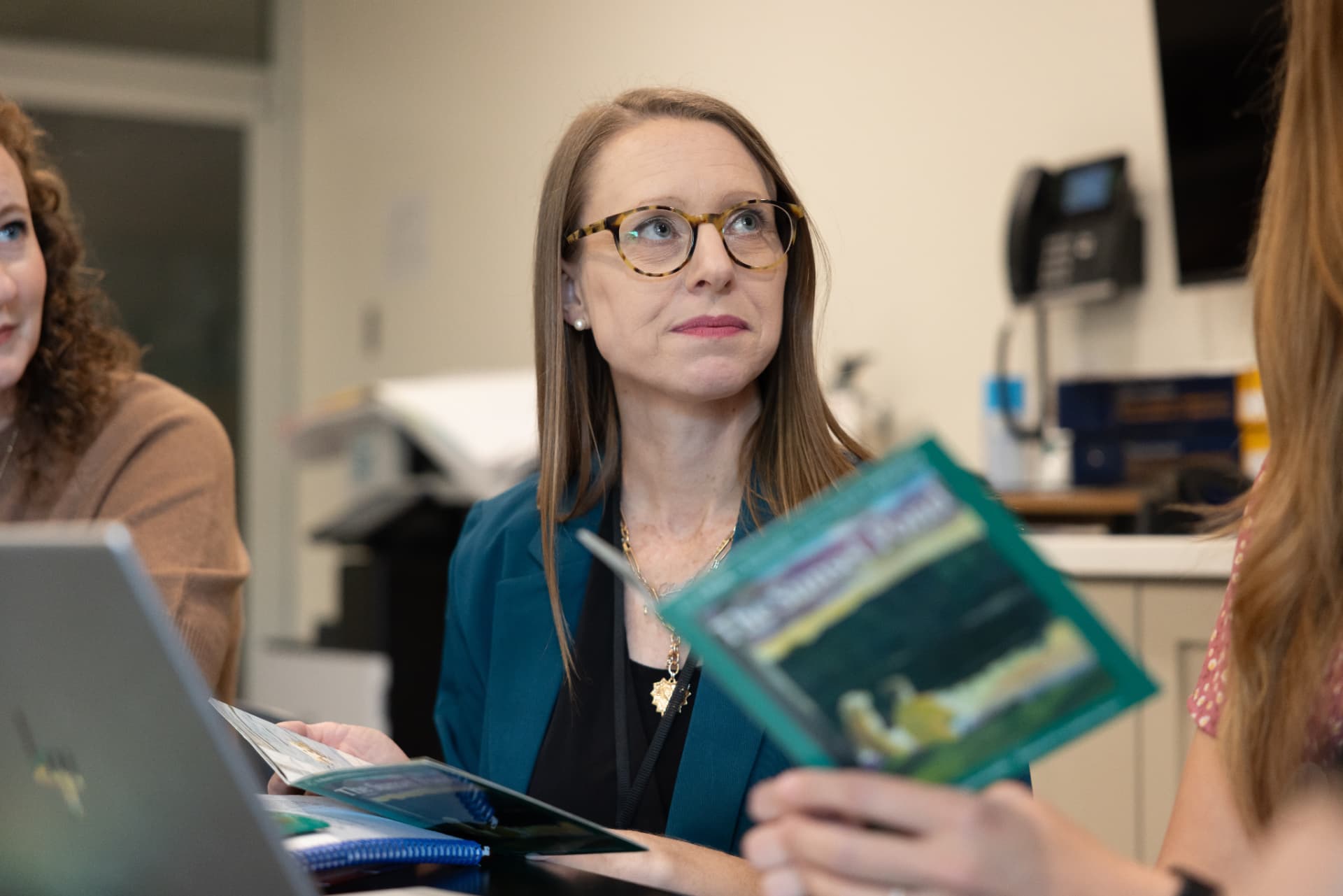
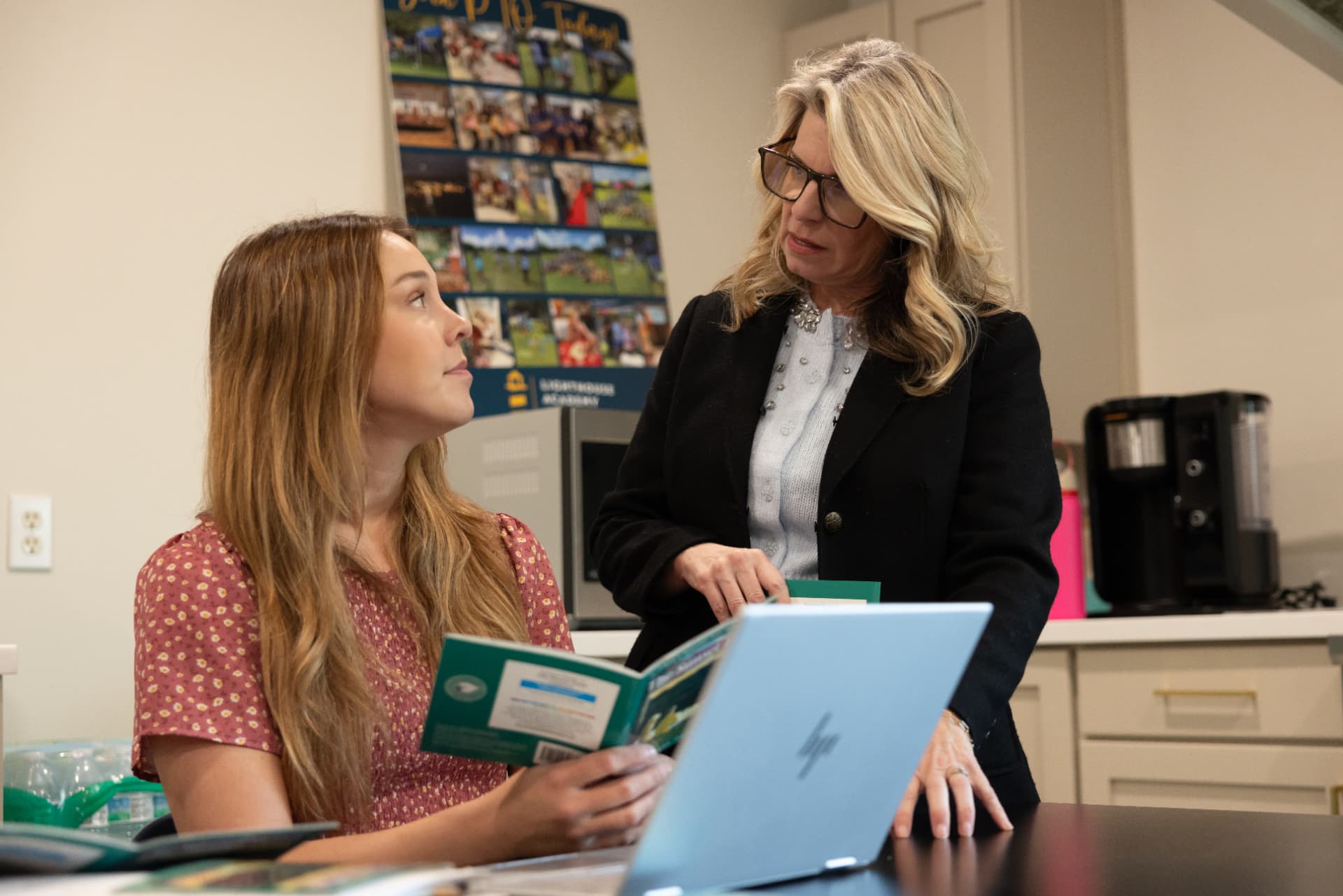
The Mississippi Dyslexia Institute is the training arm of Lighthouse Academy. MDI prepares educators and therapists to deliver the same Orton-Gillingham based, multisensory instruction that powers our classrooms every day.
If you are a teacher, administrator, or aspiring dyslexia therapist, MDI offers the pathway to bring this methodology to your own students and school.
Daily Remediation Blocks
Every student at Lighthouse receives dedicated remediation time, small group or one-on-one instruction tailored to their specific needs. This isn't pull-out intervention; it's built into every day's schedule.
During remediation blocks, students work at their instructional level on phonics, fluency, and comprehension skills. Progress is monitored weekly and instruction is adjusted accordingly.
Daily remediation
Student-teacher ratio
Progress monitoring
Individualized plans
Phonics & Decoding
Systematic sound-symbol instruction
Fluency Building
Repeated reading and prosody practice
Comprehension
Strategies for understanding text
Written Expression
From sentences to paragraphs
Explore Grade Levels
Students progress through five grade levels, each building on the one before it.
Second Grade
Building strong foundations
Third Grade
The bridge to fluency
Fourth Grade
Reading to learn
Fifth Grade
Deepening skills
Sixth Grade
Leadership & capstone
Meet Our Exceptional Faculty
Every teacher at Lighthouse is specially trained in dyslexia instruction. Many are dyslexic themselves. Come meet the people who make our program special.
Contact Us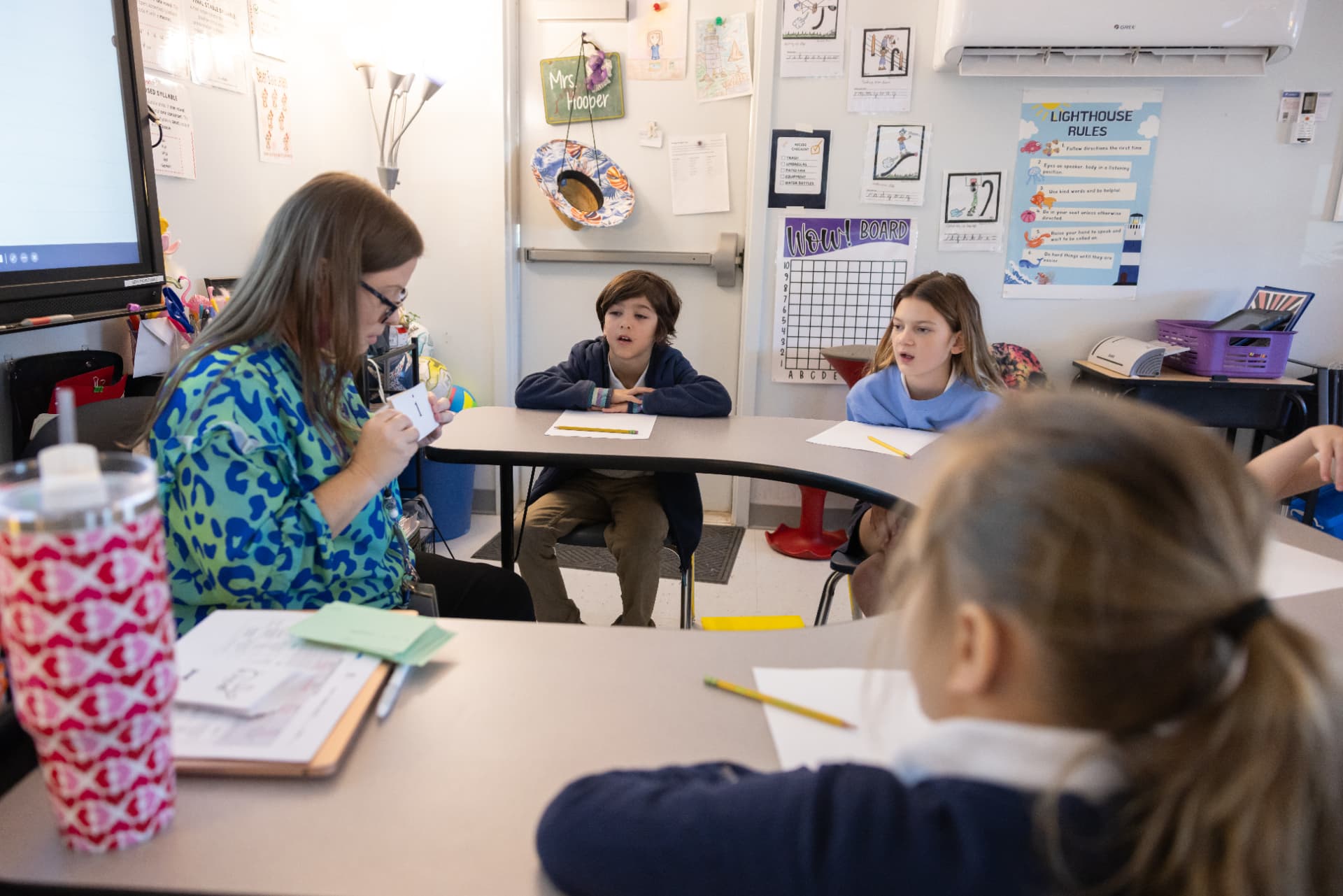
Reading instruction is the center of the day
Every student works daily in a small group with a trained therapist, moving through the Orton-Gillingham sequence at a pace their brain can hold onto.
Progress is tracked lesson by lesson, so nothing is skipped and nothing moves forward until the skill underneath it is secure.
Learning in every subject
Writing, math, independent reading, and hands-on science all use the same multisensory approach.

See Our Program in Action
Reach out to observe our classrooms and meet our teachers.