Dyslexia 101
A bright child who cannot read is not a puzzle without an answer. Here is what dyslexia actually is, how to recognize it, and what genuinely changes the outcome.
People are dyslexic, boys and girls alike
Students in a typical class of twenty
Reach grade level with early, correct instruction
What dyslexia actually is
A specific learning disability that is neurobiological in origin, characterized by difficulties with accurate or fluent word recognition and by poor spelling and decoding abilities. These difficulties typically result from a deficit in the phonological component of language, often unexpected in relation to other cognitive abilities.
In plain language: dyslexia has nothing to do with intelligence, vision, or effort. It is a difference in how the brain connects the sounds of spoken language to the letters on a page. Most of us stop noticing that connection by second grade, because it becomes automatic. For a dyslexic reader, it never quite does on its own, so every word has to be built by hand.
That is why a child can hold a rich conversation about volcanoes, invent an elaborate story out loud, and still stall on the word which. The thinking was never the problem. The decoding was. And decoding, unlike intelligence, is something we know how to teach.
What reading is like without automaticity
The fastest way to understand dyslexia is to lose your own fluency for thirty seconds.
Try it yourself
One sentence. Sound by sound.
Six letters below have been swapped for symbols you have never seen. Your vocabulary, your intelligence, and your effort are all unchanged. Only the automatic part is gone.
I ʁε∂d †hε ʃ†ʘʁy ʘu† lʘud in cl∂ʃʃ †ʘd∂y.
Dyslexia at every age
It rarely announces itself. It shows up as a pattern, and the pattern changes as a child grows.
Ages 5 to 8
- Reading is slow, effortful, and word by word
- Guessing at words from the first letter or the picture
- Confusing small words such as a, the, of, and is
- Spelling the same word three different ways on one page
- Avoiding reading aloud, or complaining of stomachaches at reading time
Recognizing a few of these does not mean your child has dyslexia, and recognizing none of them does not rule it out. Only a comprehensive evaluation can answer the question, and it is a question worth answering early.
Six things almost everyone gets wrong
Most of what families are told about dyslexia is outdated. These are the corrections that matter most.
Time matters
Ninety percent reach grade level
Research on early reading intervention is unusually consistent. When children with reading difficulties receive appropriate instruction by first grade, the large majority reach grade level. That number falls with every year that passes without the right help, not because the child changes, but because the gap does.
The brain is most willing
Young readers are still building the pathways that connect sound to print. Teaching into that window is far more efficient than rebuilding habits later.
The gap compounds
Every year a strong reader gains vocabulary and background knowledge simply by reading. A struggling reader loses that ground twice over.
Confidence is fragile
Long before a child falls behind academically, they decide something about themselves. Early help protects the belief that they are capable.
Later still works
If your child is older, you have not missed the window. Structured literacy changes outcomes in middle school, high school, and adulthood too.
Keep reading
What Is Dyslexia?
The neurological definition adopted by the International Dyslexia Association, in plain language.
Learn moreEarly Signs
What dyslexia can look like before school, in school, and into adolescence and adulthood.
Learn moreStrengths of Dyslexic Minds
Big-picture thinking, pattern recognition, creativity, and the gifts that often accompany dyslexia.
Learn moreDiscover Your Sea of Strengths!
Take our fun quiz to discover which sea creature matches your unique learning superpowers. It's a great way for kids to understand and celebrate how their amazing brains work!
Take the QuizWhat dyslexia instruction actually looks like
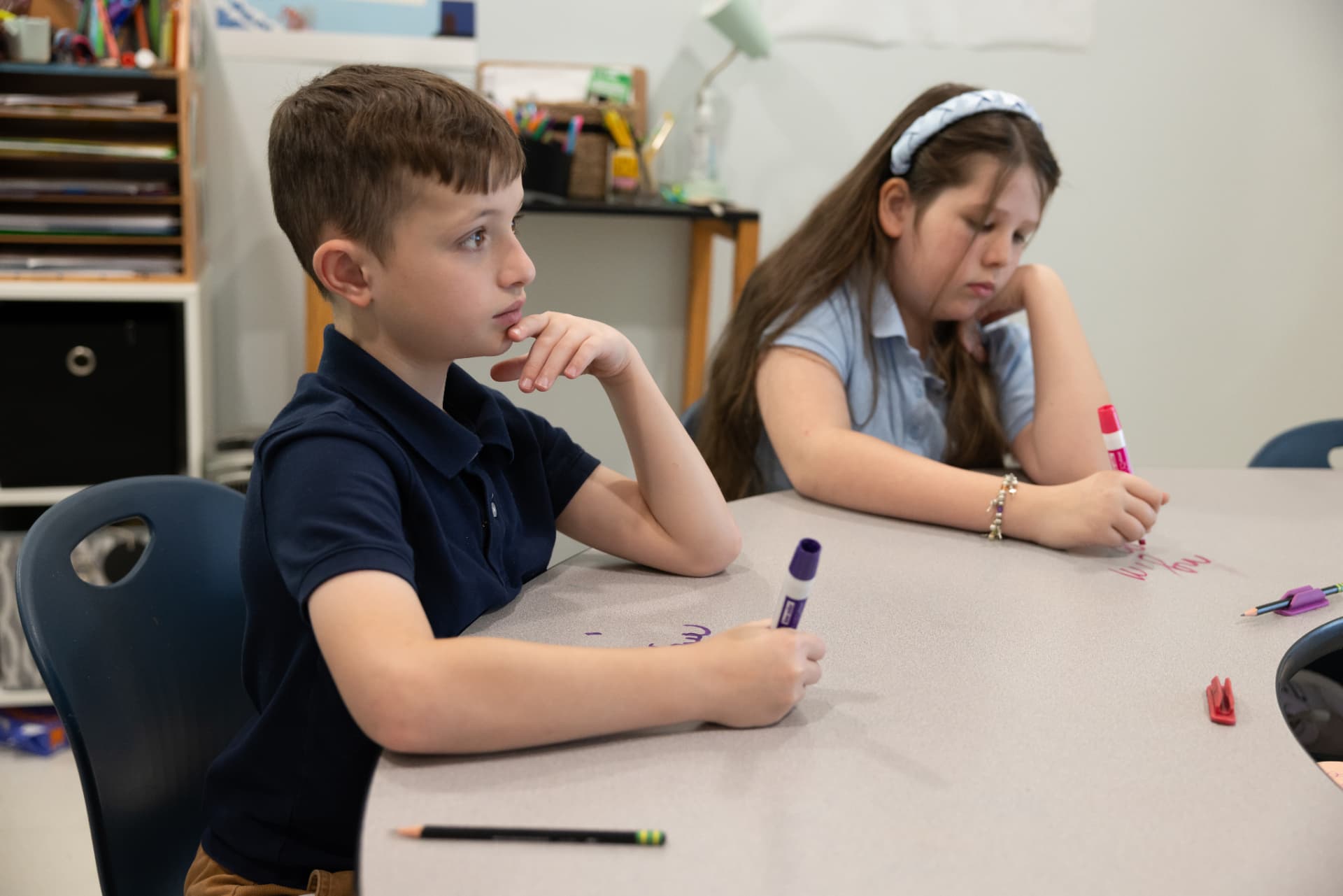
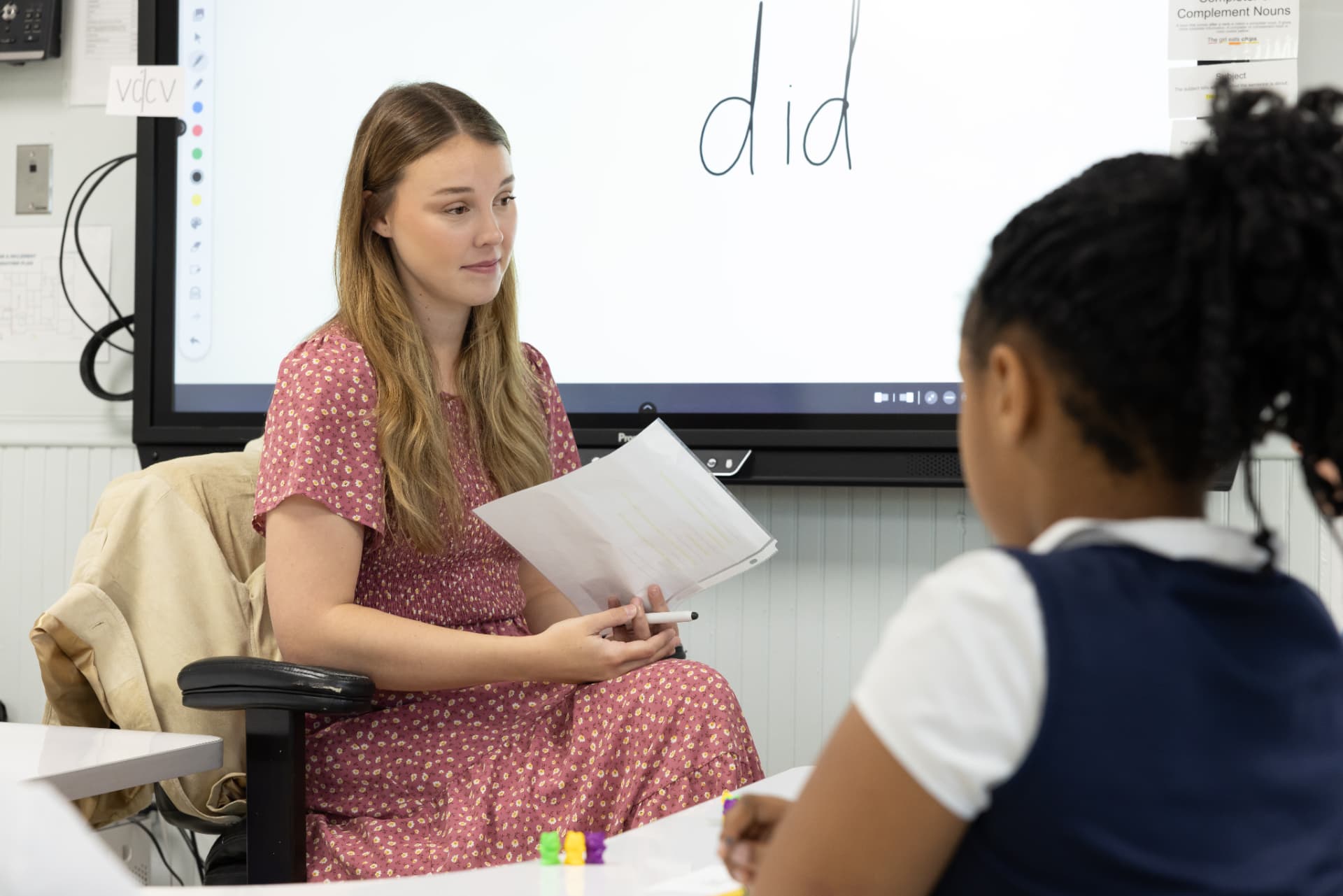
Explicit, systematic, multisensory teaching. Sounds and letters are practiced until they are automatic, never guessed at.

One Lighthouse, three ways we help
Every part of Lighthouse works in concert so families can find the right kind of support at the right moment.
Lighthouse Academy
A three to four year remediation school for students with dyslexia, grades two through six.
Lighthouse Diagnostics
Comprehensive psychoeducational evaluations for children and adults along the Gulf South.
Outclient Therapy
After-school Orton-Gillingham therapy for students who need targeted support beyond the classroom.
Someone you know needs this page
A teacher, a grandparent, a friend who has been told to wait and see. Most families find dyslexia years later than they should have, and usually because nobody handed them the right explanation.
Still wondering about your child?
You do not have to be certain before you ask. Our team talks with families every week who are simply trying to make sense of what they are seeing at home.